
Precision Milling Solutions for Inconel 718 Aircraft Turbine Blades
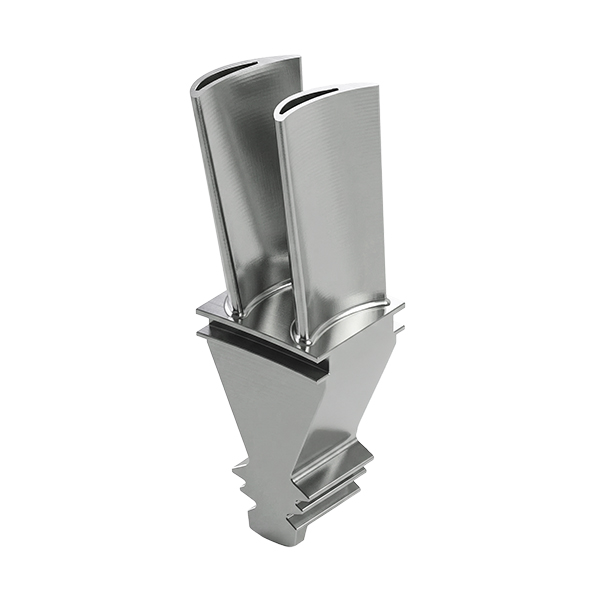
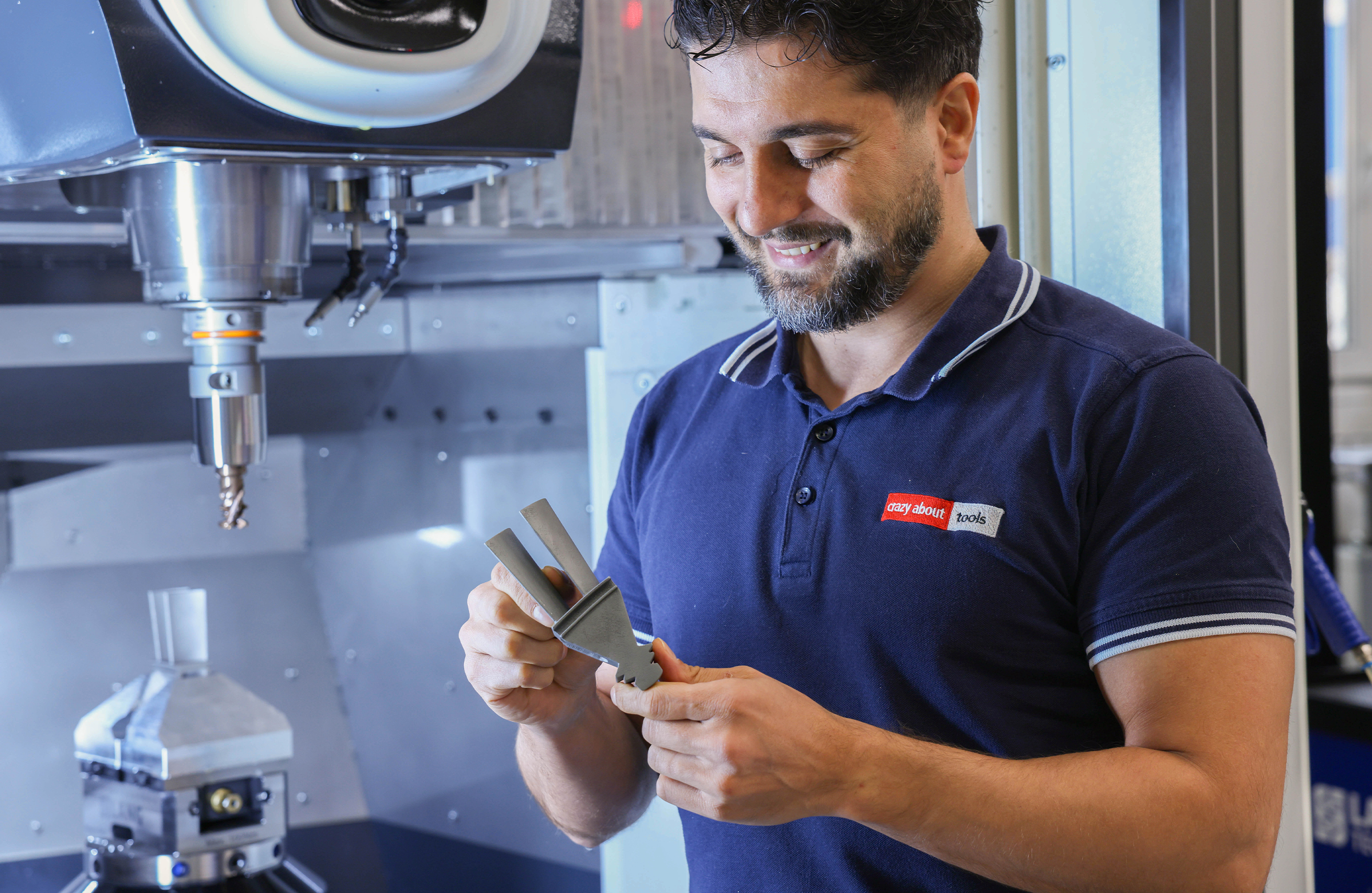
Aircraft turbine blades represent the pinnacle of engineering complexity in modern flight. Fabricated from Inconel 718 - a high-performance nickel-based Superalloy designed to withstand extreme oxidation and mechanical stress - these components demand a machining approach that balances thermal control with geometric exactness.
As a leader in high-end micro-machining, Mikron Tool provides specialized tooling systems engineered to meet the stringent requirements of the aerospace sector. By focusing on process stability and surface integrity, these tools ensure that every turbine blade meets the rigorous safety and performance standards required for jet engine components.
Why Inconel 718 Presents Extreme Machining Obstacles
Inconel 718 is a member of the Heat Resistant Superalloy (HRSA) family. It is essential for the "hot sections" of turbines because it maintains structural integrity under conditions that would cause standard metals to fail. Its primary advantages include:
- Superior Heat Resistance: Stability at temperatures where other alloys lose tensile strength.
- Creep Resistance: Immunity to permanent deformation under sustained mechanical loads.
- Oxidation Prevention: High durability in corrosive, high-velocity gas environments.
However, these same attributes make it "difficult-to-cut." Inconel 718 is characterized by high toughness and a significant tendency toward work-hardening. Most critically, its low thermal conductivity means that the heat generated during the cutting process does not dissipate through the chips or the workpiece. Instead, the thermal energy remains concentrated at the cutting edge, leading to rapid tool degradation if not managed correctly.
Revolutionizing Thermal Management with Advanced Integrated Cooling
To overcome the thermal barriers of HRSA materials like Inconel 718 , Titanium, and Stainless Steel, conventional external lubrication is often insufficient. Mikron Tool’s advanced integrated cooling technology is specifically designed to address this.
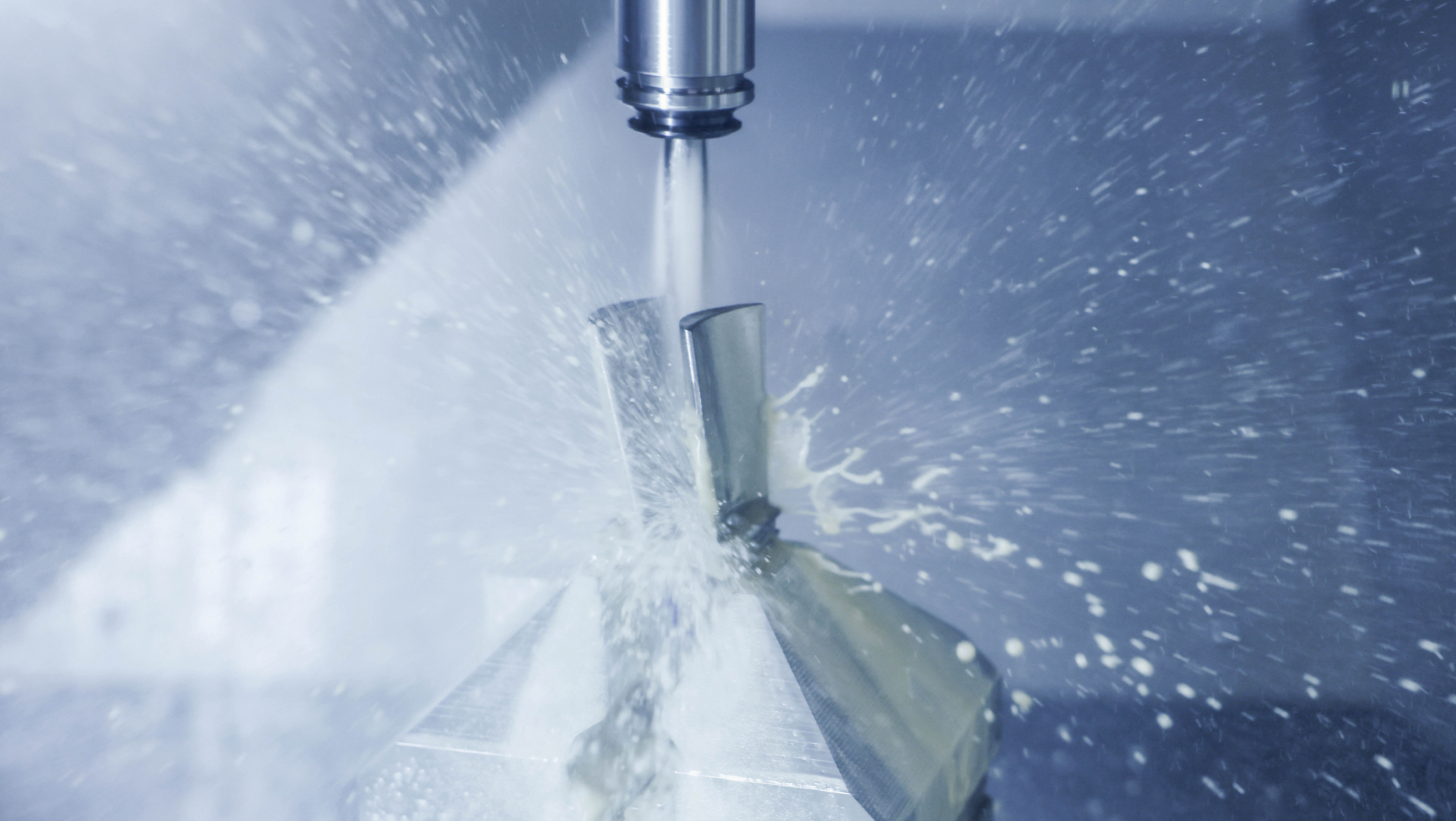
By integrating cooling channels directly into the tool's architecture, coolant is delivered precisely where it is needed most: the interface between the cutting edge and the material. This provides several transformative benefits:
- Instantaneous Heat Evacuation: Reducing the temperature at the cutting edge prevents the "built-up edge" phenomenon and preserves the substrate’s hardness.
- Enhanced Chip Flushing: High-pressure internal flow forces chips away of the cutting zone, preventing re-cutting and micro-cracking.
- Extended Tool Longevity: Controlled temperatures lead to predictable wear patterns, allowing for longer production cycles without manual intervention.
Mastering Complex 3D Airfoil Geometries
The aerodynamic efficiency of a turbine blade depends on its intricate 3D profile. Machining these components requires tools that can handle dynamic toolpaths while maintaining micron-level tolerances across several key features:
- Complex Airfoil Contours: Smooth, curved surfaces that dictate airflow.
- Transition Radii: Critical areas where the blade meets the root, requiring high structural integrity.
- Fir-Tree Root Geometries: Precise locking mechanisms that secure the blade to the turbine disk.
High-Efficiency Roughing Strategies
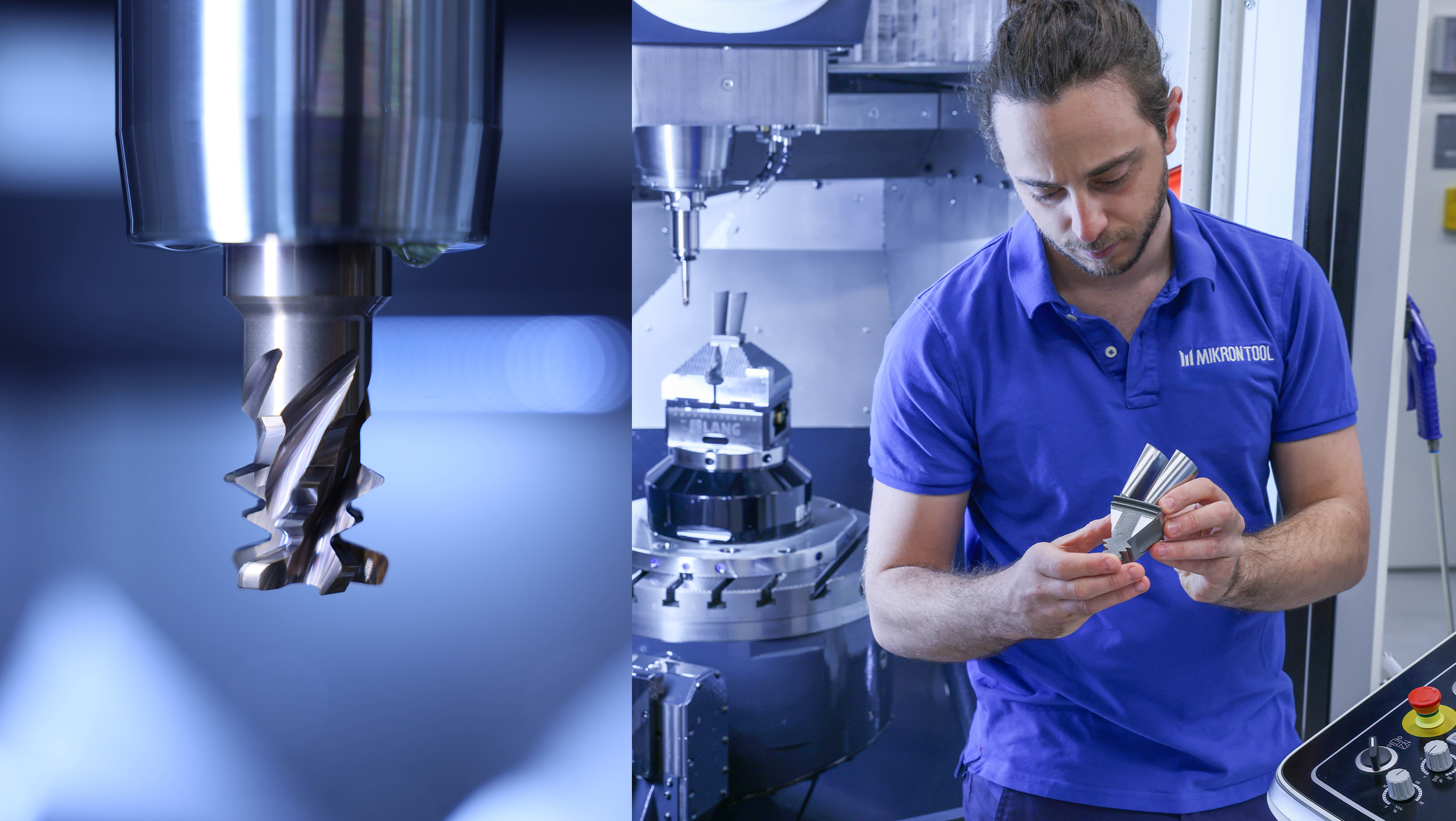
In the initial material removal phase, the priority is bulk displacement without compromising the component's structural health. Tools must be robust enough to handle the high mechanical loads of nickel-based alloys. Using geometries optimized for chip evacuation, Mikron Tool solutions reduce vibration and ensure that the roughing process remains stable even in deep-pocket or long overhang applications.
Ultra-Precision Finishing Operations
Final surface refinement requires highly defined edge sharpness and refined micro-geometries. During finishing, even the slightest deviation can impact the fatigue life of the blade. High-performance coatings and specialized tool substrates ensure that the finishing pass results in:
- Superior Surface Roughness: Minimizing friction and maximizing aerodynamic flow.
- Dimensional Repeatability: Ensuring every blade in a batch is identical.
- Reduced Heat-Affected Zones (HAZ): Preserving the metallurgical properties of the Inconel 718 workpiece.

Achieving Aerospace Compliance and Process Reliability
The aerospace industry operates under a "zero-failure" mandate. Every turbine blade must pass exhaustive validation for geometric accuracy and material integrity. Unstable machining processes lead to scrapped parts and increased costs.
By utilizing Mikron Tool’s advanced integrated cooling technology and material-specific geometries, manufacturers can achieve a level of process reliability that simplifies aerospace certification. Controlled cutting forces and superior thermal regulation ensure that the final component meets all technical specifications for surface finish and structural durability.
Summary of High-Performance Tooling Benefits:
- Specialized Geometry: Tailored for the unique behavior of nickel-based Superalloys.
- Thermal Regulation: Advanced integrated cooling for materials with low thermal conductivity.
- Vibration Control: Stable tool design for complex 3D contouring.
- Efficiency: Reduced cycle times through the elimination of frequent tool changes.
Do you need any advice from us? Contact us here!